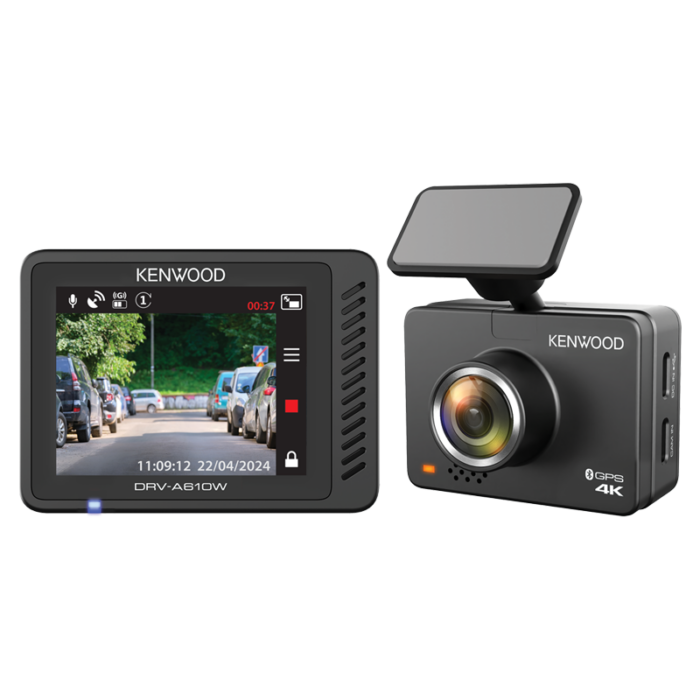
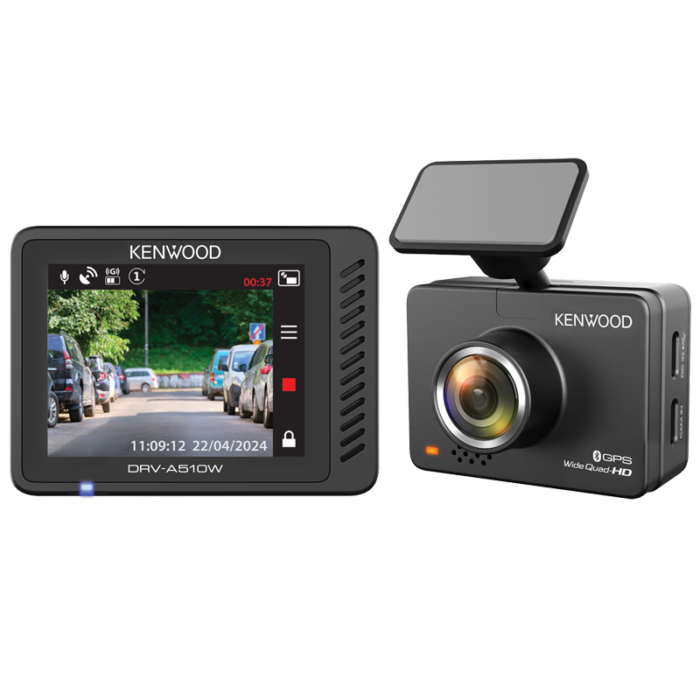
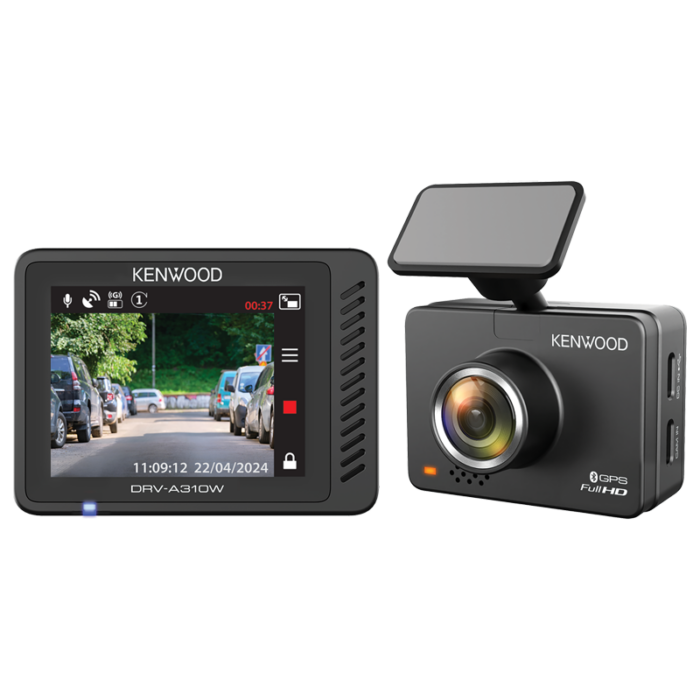
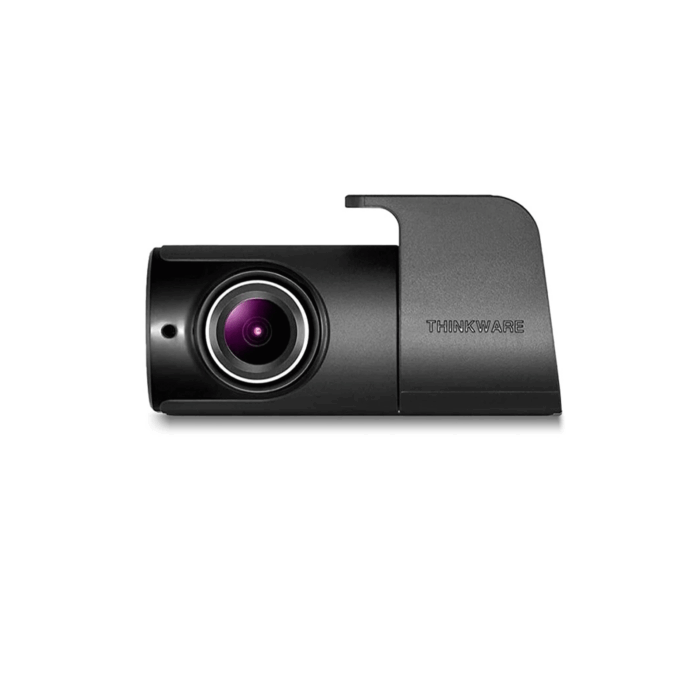
A major development for road safety has arrived in Cyprus. Under the Road Safety (Amendment) Law of 2026, Law 103(I)/2026, dash cameras are officially permitted from 23 July 2026 in private vehicles, professional and commercial vehicles, government vehicles and vehicles belonging to the wider public sector. The legislation was published in the Official Gazette on 22 April 2026 and introduced the first clear legal framework for their use in Cyprus.
A dash cam is a compact camera installed inside a vehicle, usually behind or close to the rear-view mirror. It continuously records the road ahead while the vehicle is being driven. Depending on the system selected, it can also record the rear of the vehicle, the cabin or the surroundings while the vehicle is parked.
Why Install a Dash Cam?
Dash cams can provide important video evidence following a traffic accident, dangerous driving incident, attempted theft, vandalism or other illegal activity. Recorded footage may help establish what happened, protect drivers against false claims and assist the Police, insurance companies and courts when investigating an incident.
The new Cyprus legislation permits dash-cam recordings to be used for specific purposes, including protecting drivers following an accident, documenting road-traffic violations, recording criminal acts and providing relevant evidence to the authorities. Commercial and fleet vehicles can also use dash cams in connection with accidents or criminal activity, provided that all applicable privacy and data-protection requirements are followed.
Important Legal and Privacy Rules
Although dash cams are now legal, their use is not unrestricted. The law permits image recording, but audio recording is not allowed. For this reason, the microphone function should be disabled when the camera is used in Cyprus.
Recordings must be used responsibly and only for legitimate purposes. Footage containing identifiable drivers, passengers, pedestrians, number plates or other third parties should not be publicly uploaded or shared on social media without the required consent or proper anonymisation. Processing and storage of the footage also remain subject to data-protection rules.
The camera should also be installed discreetly and securely so that it does not obstruct the driver’s field of vision or interfere with the safe operation of the vehicle.
Important Dash-Cam Specifications
When selecting a dash cam, video resolution is one of the most important considerations. A Full HD 1080p camera is suitable for general everyday recording, while 2K, 2.5K or 4K models offer greater image detail and can make number plates, road signs and surrounding vehicles easier to identify.
A wide-angle lens captures more of the road and surrounding lanes. However, the lens should offer a balanced viewing angle because an excessively wide image can create distortion around the edges.
High Dynamic Range, commonly known as HDR, helps balance bright and dark areas in the same image. This is particularly useful when driving toward strong sunlight, entering tunnels or recording at night under street lighting.
A quality image sensor and good low-light performance are also essential for clearer night recordings. Resolution alone does not guarantee good night-time footage, so the sensor, lens and image-processing technology are equally important.
Front and Rear Recording
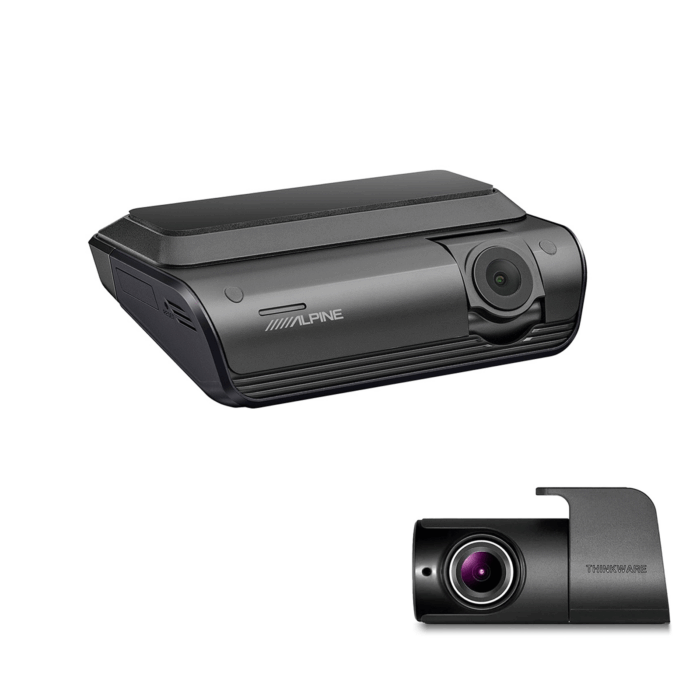
A front-only dash cam records events taking place ahead of the vehicle. A front-and-rear system offers wider protection by also recording vehicles approaching or driving behind.
A dual-camera system can be particularly useful during rear-end collisions, parking incidents or disputes where the actions of another vehicle behind you need to be documented.
Certain systems can also support an interior camera for taxis, commercial vehicles or fleet applications. However, cabin recording requires greater attention to privacy and data-protection obligations.
Parking Surveillance
Many modern dash cams include a parking-surveillance function. When professionally hardwired, the system can continue monitoring the vehicle after the ignition has been switched off.
Depending on the model, parking surveillance may include motion detection, impact detection, time-lapse recording or energy-saving radar monitoring. When suspicious movement or an impact is detected, the camera can automatically save the relevant recording.
A proper hardwire kit with battery-voltage protection is important. It allows the camera to receive power while parked and automatically switches it off if the vehicle battery reaches a predetermined voltage level, reducing the risk of battery discharge.
G-Sensor and Protected Recordings
The built-in G-sensor detects sudden impact, heavy braking or rapid movement. When an incident is detected, the camera automatically protects the relevant recording so that it is not immediately overwritten during normal loop recording.
The sensitivity should be adjusted correctly. A very high setting may save too many ordinary bumps, while a setting that is too low may fail to protect an important recording.
GPS and Speed Information
Dash cams with built-in or optional GPS can record the vehicle’s location, route, date, time and, depending on the model and settings, travelling speed.
This information can be useful when reviewing an incident because it helps establish where and when the recording was made. Drivers should nevertheless consider carefully which information they wish to record and share.
Loop Recording and Memory Cards
Dash cams normally use loop recording. Once the memory card becomes full, the camera automatically overwrites the oldest unprotected recordings and continues operating without requiring the driver to delete files manually.
A high-endurance microSD card specifically designed for continuous video recording is recommended. Ordinary memory cards can wear out more quickly because dash cams repeatedly write and overwrite large video files.
The correct card capacity depends on the camera resolution, number of connected cameras and the amount of recording time required. The memory card should also be checked and formatted regularly according to the manufacturer’s instructions.
Wi-Fi, Mobile Applications and Cloud Features
Wi-Fi-enabled models allow the driver to connect a smartphone directly to the dash cam. Through the manufacturer’s application, recordings can normally be viewed, downloaded and saved without removing the memory card.
More advanced systems may also offer cloud connectivity, remote vehicle-location information, impact notifications and remote access to recordings. These functions may require an internet connection, compatible mobile device, SIM card or subscription, depending on the selected model.
Correct installation is essential for reliable performance. The dash cam should be positioned discreetly, the wiring should be concealed safely and the system should be connected without interfering with airbags, vehicle electronics or visibility.
For parking surveillance, professional hardwiring ensures that the camera receives the correct permanent and ignition-controlled power supplies while protecting the vehicle battery.
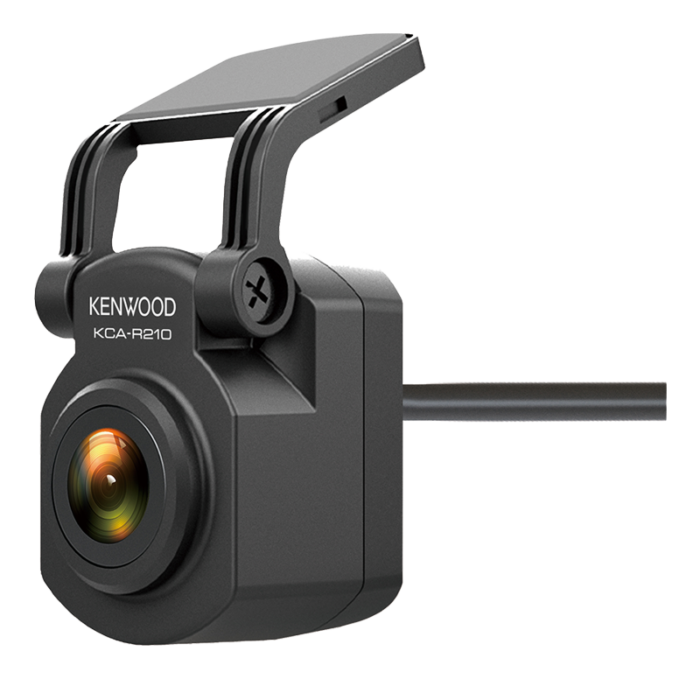
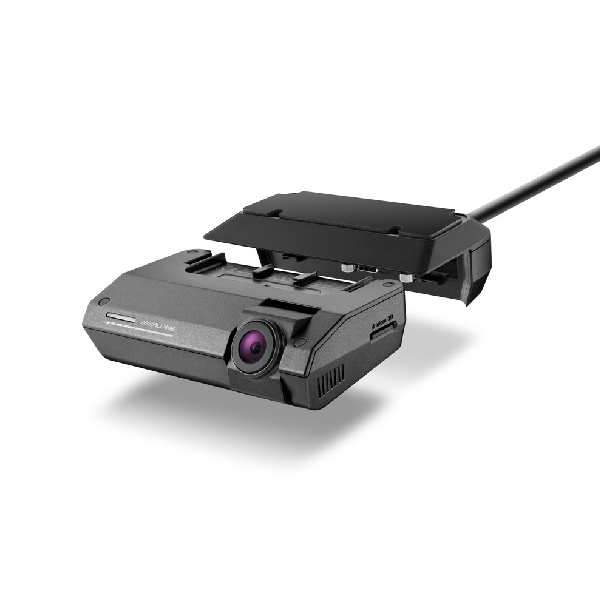
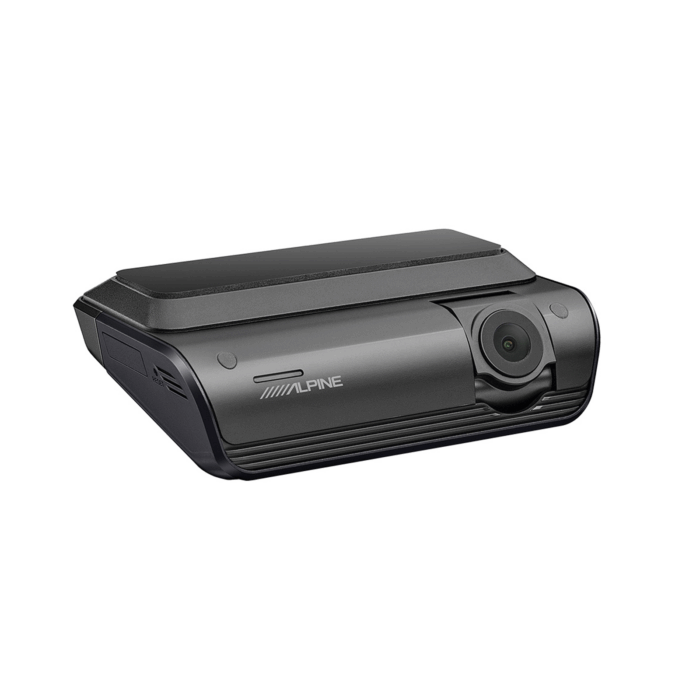
At Stephanis Audio, we offer high-quality front, front-and-rear and advanced parking-surveillance dash cams from trusted brands, including Kenwood and Alpine, together with professional installation and system configuration.
The legalisation of dash cams gives Cyprus drivers an additional level of security, evidence and peace of mind. A professionally installed dash cam does not prevent an accident, but it can provide a clear and reliable record when an unexpected incident occurs.
Drive protected. Record responsibly. Install professionally with Stephanis Audio.